
TomさんとRyutaさんとMugikoの3人トーク2回目です。収録は2026年3月3日、TomさんはChampaignから、RyutaさんはOsakaから、MugikoはKyotoから参加しました。
ノスタルジーと歴史への関心、建造物の実用的な寿命
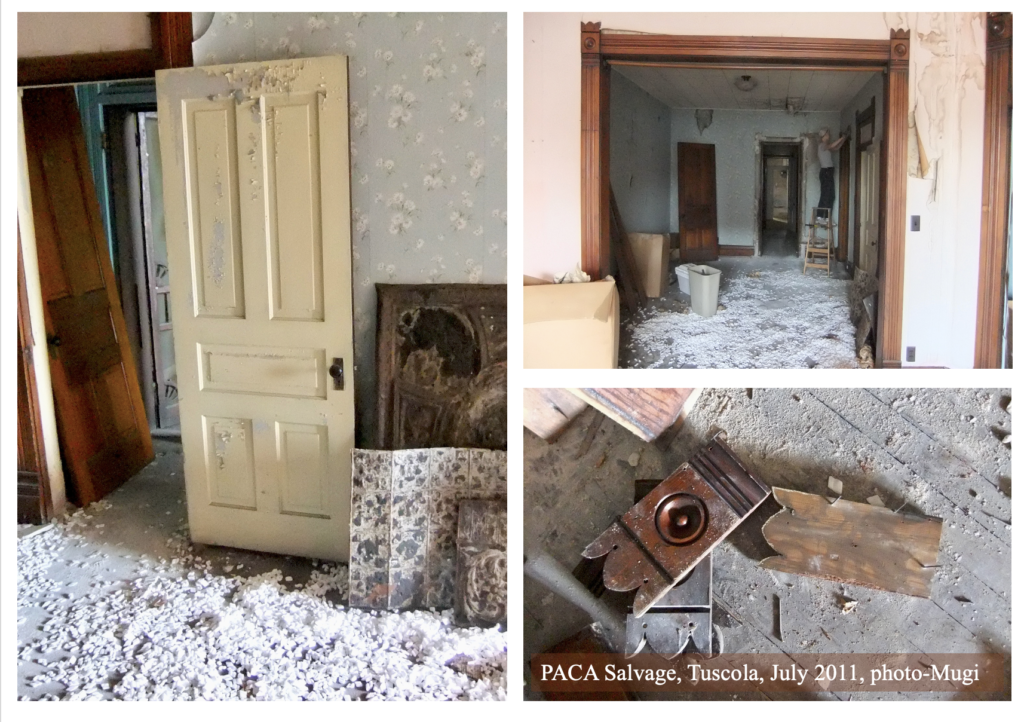
先週のトークの最後にTomさんは、第2次世界大戦後のアメリカでの経済発展と乱開発の反動として、1970年代から80年代に歴史建造物の保護・保全の動きが生まれ、ChampaignのPACA(Preservation and Conservation Association)もその一つだと話しています(HS No. 780-2)。今週は、Ryutaさんが、St. LouisとTokyoを例にあげてコメントし、Tomさんが次のような話をしています。一つは、世代によって異なる過去への郷愁や歴史への関心、もう一つは、古い建造物が継続的に利用される「実用性の寿命(lifespan of usefuleness)」についてです。、-Tuscola-July-2011-1024x700.png)
番組の中では、英語トークを2つに区切り、Ryutaさんがそれぞれに日本語で解説しましたが、このPodcastでは、英語トーク全体(20m20s)をPart2に、RyutaさんとMugikoの日本語での解説とコメント(18m29s)をPart3にまとめます。
Part2, 開発と破壊、記憶・記録の再構築、世代の郷愁with Tom-san-英語
Highway Construction, Lost Memories, and Evolving Interest
Ryuta brings up a digital project in St. Louis designed to reconstruct and preserve the memories of neighborhoods that were torn down or divided by highway construction. He suggests that there is currently a renewed interest in bringing back these lost memories. Tom clarifies that he views this not as a renewed interest, but rather as an evolving interest. Tom explains that younger people today are highly interested in the mid-century modern designs of the 1950s and 60s, whereas his own generation leaned toward Victorian styles. Tom attributes this to nostalgia; as people grow older, they begin to miss the vaguely familiar styles and the simpler times of their childhood, leading each generation to yearn for its own “imaginary past”. He also notes that St. Louis lost a massive amount of its original historic river town architecture to build highways and the Arch—changes made for “improvements” that cannot be undone once the buildings are destroyed.
 Generational Shifts and Material Culture in Japan
Ryuta agrees with Tom’s observation about how the definition of “historical” changes with each generation, noting that a very similar phenomenon is happening in Japan. He explains that the younger generations in Japan are currently experiencing a resurgence of interest in the material culture of the Showa and Heisei periods. These young people are fascinated by clothing items, fine furniture, and accessories from 30 to 100 years ago. Ryuta concludes that, just as Tom described, what people consider to be historical is heavily dependent on their childhood memories.
Comparing Building Longevity and Lifespan of Usefulness
Ryuta points out an interesting historical contrast: although Japanese people tend to view the US as a younger country, many residential and university buildings in the American Midwest (such as in Champaign-Urbana or the University of Chicago) have maintained a continuous history for about 150 years. In contrast, due to events like the Great Kanto Earthquake and World War II bombings, many proudly displayed “historical” buildings in Tokyo are only 70 to 100 years old.
Tom responds by theorizing that this survival rate is heavily tied to a building’s lifespan of usefulness. He explains that buildings like houses, libraries, schools, and temples endure because their core functions remain similar enough that people can still use them in the exact same way for centuries. Conversely, if you go too far back in history, the original use of a structure becomes completely unrecognizable, making it difficult to preserve as a functional space. Because the US does not have as much deeply ancient built history, it doesn’t face the problem of buildings becoming obsolete simply because their original purpose is no longer understood.
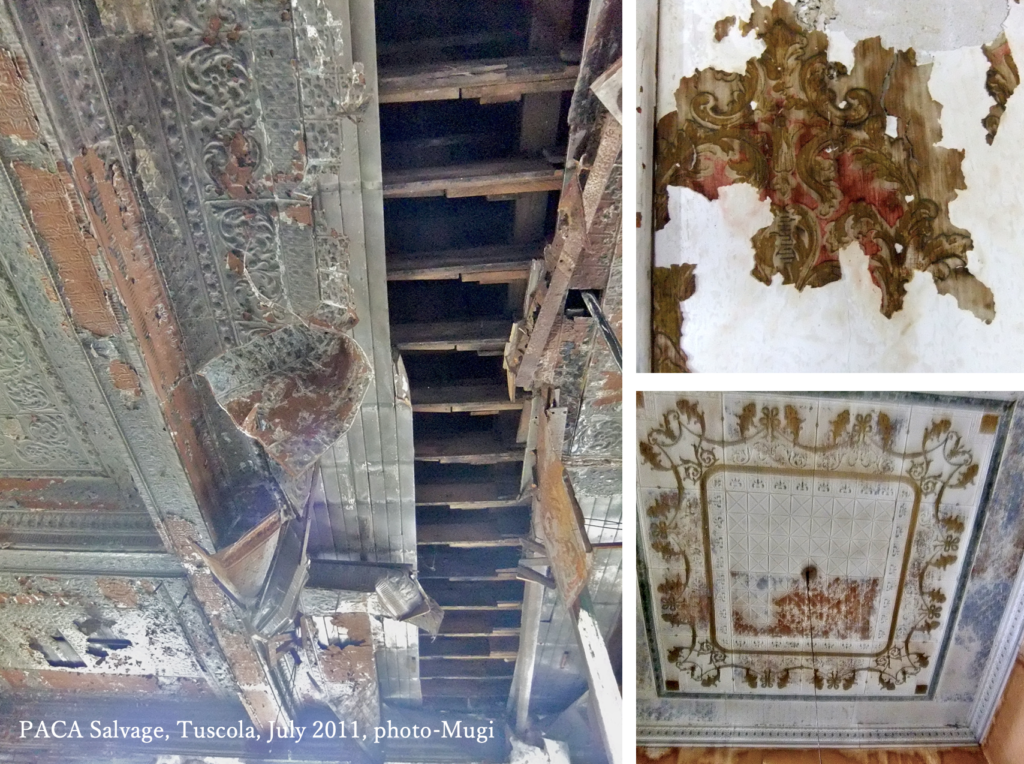
朽ちても美しい19世紀末の破片、PACA Salvage-5, Tuscola, July 2011
Part3, 英語トーク日本語での解説とコメントwith Ryuta & Mugiko
高速道路で分断されたSt.Louis、記憶・記録の掘り起こし
Ryutaさんが以前に住んでいたSt. Louisでは、1970年代頃に高速道路が建設され街が分断され、古い建物も壊されました。それから歳月をへて2010年代にSt. Louisでは歴史や記録、記憶を残すプロジェクトが進められていました。「人々の歴史への関心が、近年、再び高まっているのかもしれない」というRyutaさんのコメントに対して、Tomさんは次のように意見を述べています。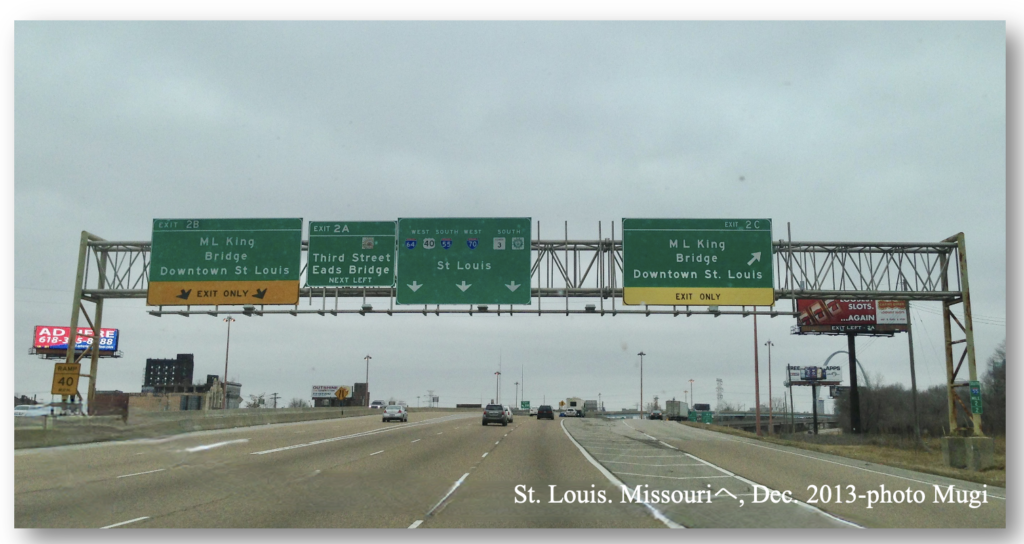
幼少期の記憶、世代によって異なる郷愁、歴史への関心
「歴史への関心が『再燃』しているというよりは、過去への関心は世代によって変化しながら展開していると思います。現在の若い世代は、1950年代から60年代のミッドセンチュリー・モダンのデザインに強い関心を示し、私の世代(1950年代生まれ)は、ヴィクトリア朝様式を好む傾向にあります。私は子供の頃、歩いて学校に通っていましたが、街には19世紀後半から20世初めに建てられた家がたくさんありました。その時は特に意識はしてはいませんでしたが。人は年を重ねるにつれ、幼少時代の風景やスタイルに郷愁をおぼえ、そこから『歴史』に関心を持ち始めるのではないでしょうか。」
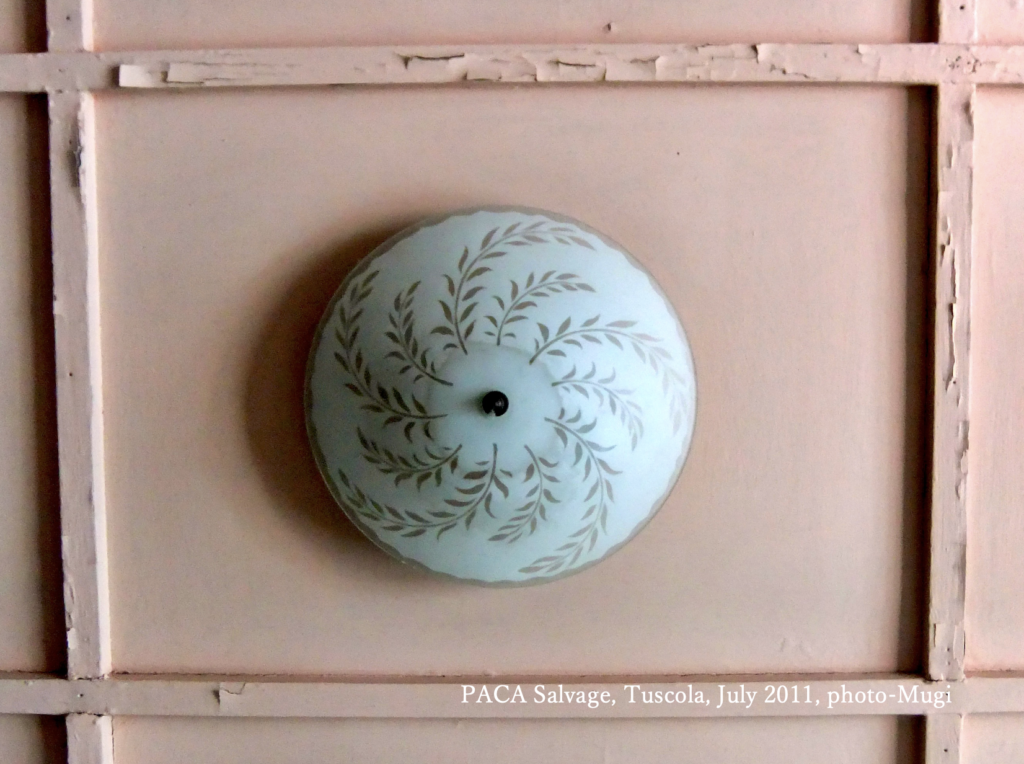
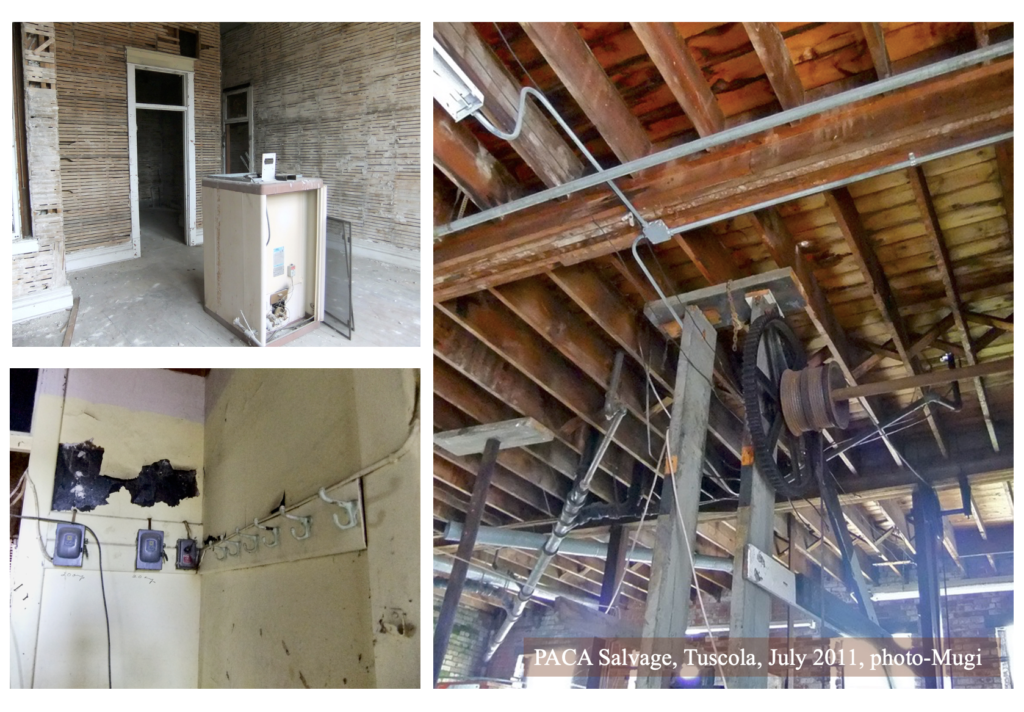
この天井照明は1950年代。PACA Salvage, Tuscola, July 2011
若者の昭和レトロへの関心、街の歴史は長くとも災害・戦争後の建造物
そこでRyutaさんは、幼少時代に触れたものへの関心は、日本の若者が昭和や平成の物質文化(服や家具など)に興味をいだくことと共通していると話しています。また、日本は都市の歴史は長くても、Tokyoでも関東大震災や戦争によって破壊され、100年以上前の建物は少なく、国としての歴史が新しいと思われているアメリカでは、中西部でも150年前の住宅や大学の建物が今日まで使われている場合も多い、と語っています。
Ryutaさんは最近、東京大学の図書館を訪問し「古い」建物だと紹介されました。一緒にいたシカゴ大学関係者から見ると、比較的「新しい」建物に見えます。というのは、シカゴ大学では創設時からの建物が現在も使用されているためです。また、Ryutaさんが神戸にある「異人館」を観ると、アメリカで現在でも使われている普通の家に見えます。
「実用性の寿命(lifespan of usefulness)」
Ryutaさんの話を聞いてTomさんは、建物が持つ「実用性の寿命(lifespan of usefulness)」の違いという独自の視点からもコメントしています。一般の家屋であっても、図書館や学校、お寺などでも、「使い方」が大きく変わらない場合は、そのままの形で保存されやすい。ところが古代遺跡のようにかつての使い方がわからなくなってしまったものは、日常の生活から切り離されてしまいます。アメリカでは150年前の建物でも、建造物として残っているだけでなく、その内部の構造や仕組みが今日まで活(生)かされ使用されている場合が多く、建物のLifespan of usefulnessが日本より長いのかもしれないとTomさんは述べています。
破壊された建物はそこで失われる
建物が長年にわたって使い続けられる寿命が長くても、破壊されてしまったらそこで消失します。Tomさんは、「St. Louisは河に沿って発展した街だけど、高速道路やアーチの建設によってその多くの建造物が失われてしまいました。開発は地域の改善のために行われたとしても、一度破壊されたら元に戻すことができない」と語っています。
以上が、今回のTomさんとのトークの内容です。人が何かに郷愁を感じたり「想像上の歴史」に想いをはせることはできても、破壊された建造物ははそこで失われます。Tomさんはそうした危機感を、効率や実利に求める開発が進む現在のChampaignにおいて、強く感じているのかもしれません。ーまとめby Mugi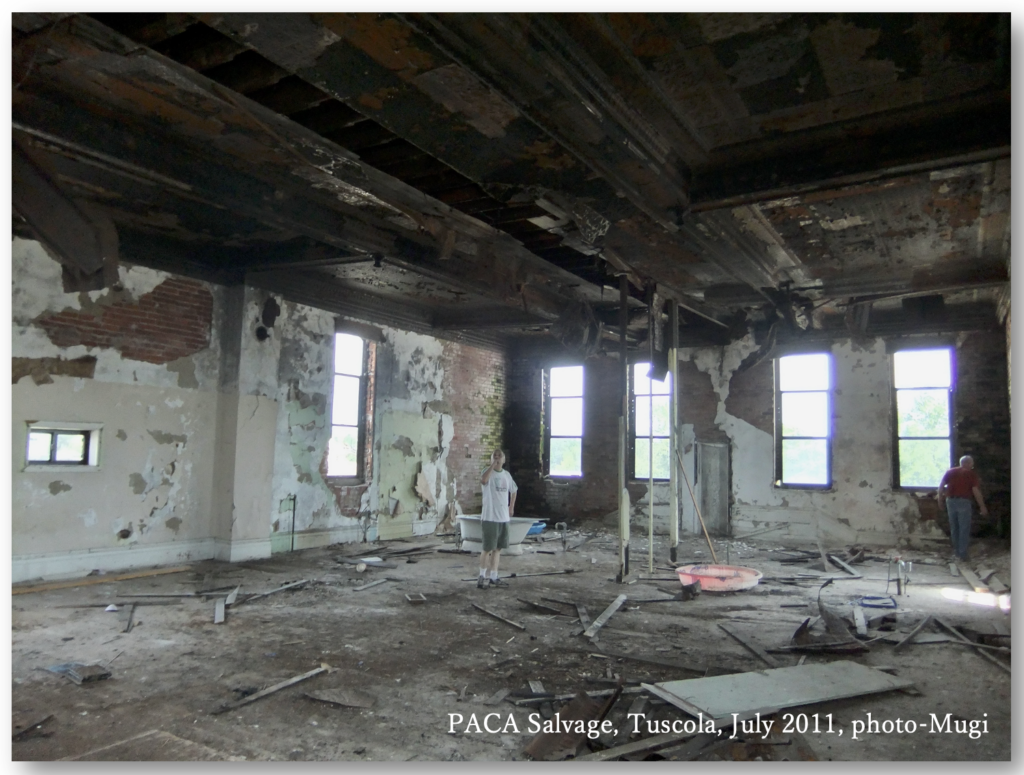
◼️寺尾紗穂「記憶」◼️he Beatles「In My Life (Take1)」
」