PACA: 歴史建造物の保存・保全と部材の再利用
番組の後半は、TomさんがExecutive Directorを務めるPACA (Preservation and Conservation Association, NPO)についてお話を伺いました(前半はNo. 780-1)。収録は、現地(CST)時間の3月2日(月)夜、TomさんはChampaignから、RyutaさんはOsaka、MugikoはKyotoから参加しました。
80分のお話を、3回に分けてお届けします。今週は、PACAのミッションと地域の開発について、2回目は、世代によって異なる過去への郷愁、建造物保全・保存の取り組みの日米の違い、アメリカの開拓精神とDIY文化について、3回目は、コロナ下でのPACAの大改造と地域の記憶の育て方についてです。

今週分は3部に分け、英語トークの後、Ryutaさんが日本語でわかりやすく説明しています。ここでは、各part 2, 3, 4の音源と英語でのサマリーをつけます。その後で3人でのトークの全体をMugikoが日本語の文章にまとめます。
Part2,PACA’s Mission and Non-Profit Role
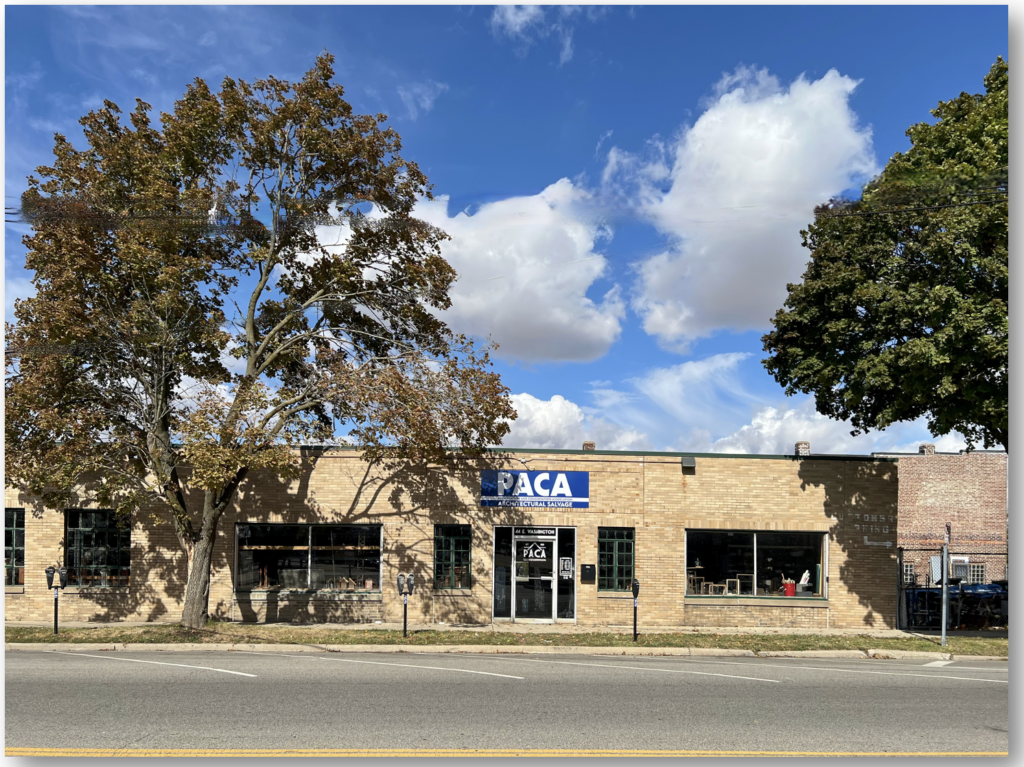
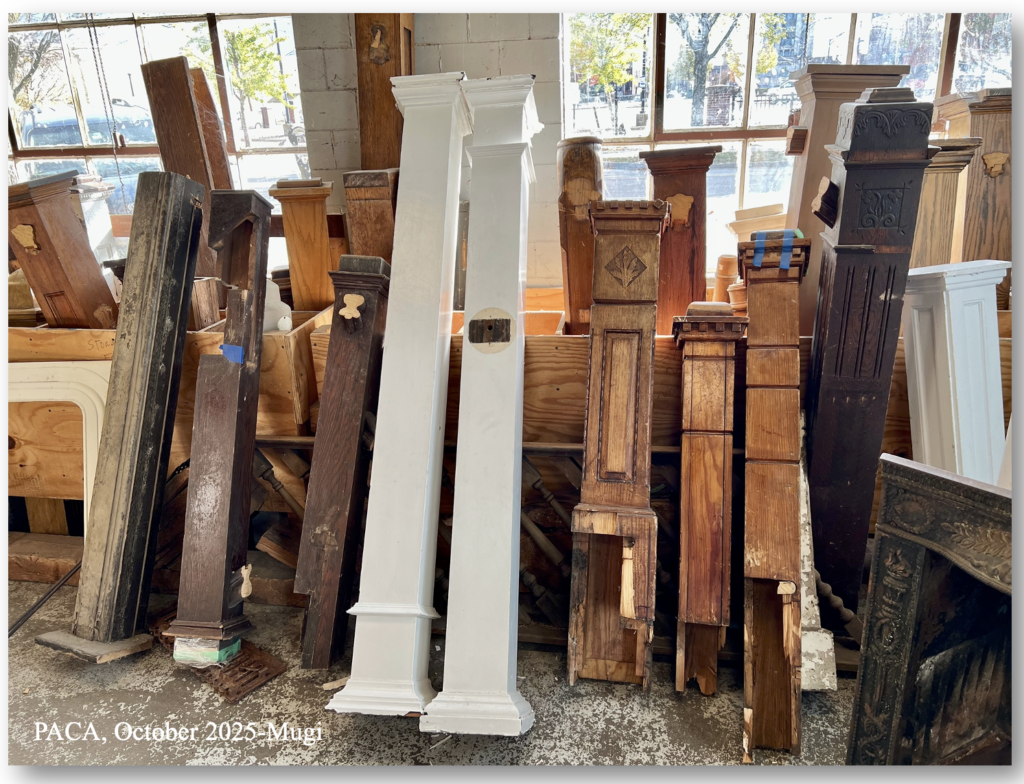
PACA Warehouse, Oct. 2025-Mugi
Tom (Thomas Garza) is the executive director of PACA (Preservation and Conservation Association). He explains that the organization’s main purpose is to identify, protect, and educate the public about historic places in the Champaign-Urbana area. When a building cannot be saved, PACA conducts architectural salvage to rescue valuable pieces. As a non-profit organization, they sell these rescued items at their downtown warehouse to fund community programs rather than begging for money. This practice successfully keeps reusable materials out of the landfill and returns them to homes for their intended use. Tom notes that while the United States has a thriving reuse culture for clothing and thrift goods, people often fail to appreciate old houses, viewing them simply as maintenance problems. Therefore, part of PACA ‘s work is to educate people on the value of high-quality old growth lumber and the importance of these buildings as emotional landmarks for the community.
Part3,The Silent Stories of Architectural History and Urban Sprawl
Tom explains that unlike written history, which is full of narratives, architectural history serves as the physical evidence of the past. For example, traditional Japanese buildings constructed without nails reveal a lack of cheap metal and highlight the incredible craftsmanship required by ancient carpenters. The design of an old building can tell us whether the community was wealthy and secure or if they needed defensive structures to protect themselves. Shifting to the modern development of Champaign-Urbana, Tom expresses deep concern over the area’s growth. He argues there is a lack of intentional planning, describing the new developments on the edge of the city as growing like “tumors” or a “cancer”. Because this growth is entirely built around automobiles, the city has become a complicated, inconvenient patchwork of mini-settlements where it is difficult to navigate without a car.
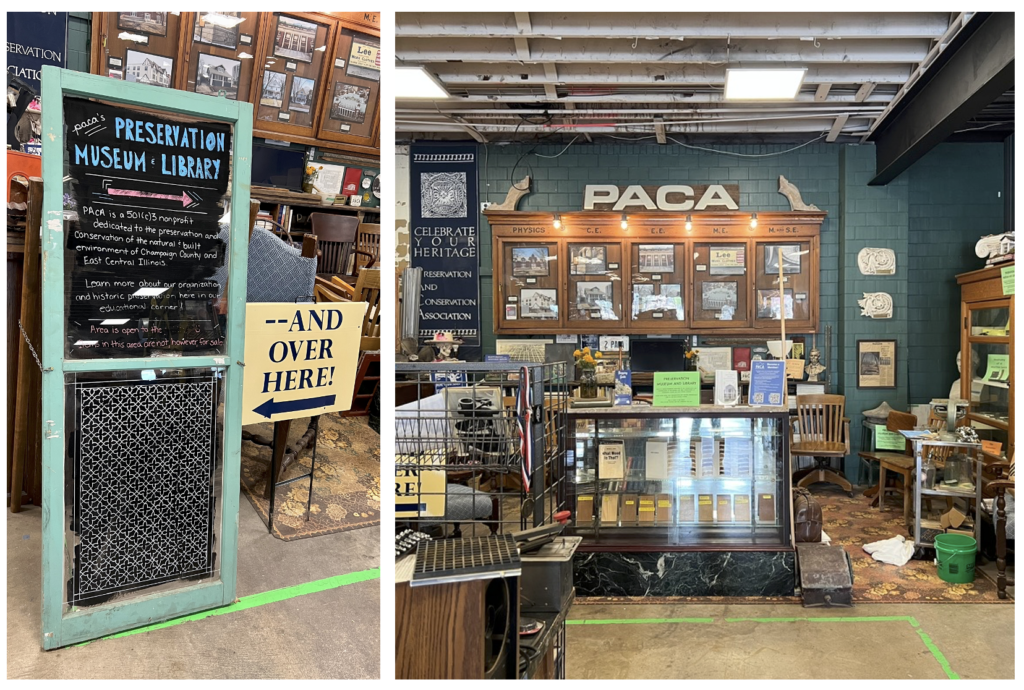
PACA Warehouse, inside 2025-10-Mugi
Part4,The Changing Sentiment Toward Historic Preservation
Mugiko asks how changes in the town influence PACA’s work. Tom explains that after World War II, massive industrial growth and highway construction destroyed many old neighborhoods across the country. This destruction combined with the nation’s bicentennial sparked a huge wave of interest in preservation during the 1970s and early 1980s, which led to the creation of PACA. However, over time, as people became more focused on financial gain and modern developments, this excitement died down. Today, Tom finds PACA’s work much more difficult. Although people still support the idea of saving historic buildings in theory, they often prioritize practical choices over history. For example, when a high school in downtown Champaign wanted to expand and build a sport field and parking lots, many residents agreed to the destruction of historic homes to meet their modern needs instead of protecting them.
Tomさんの英語トークの日本語解説by Ryuta-san & Mugiko (13m24s)
Tomさんのトークの日本語解説のみを1つの音源に編集しました。また、英語での話の内容を、MugikoがPACAについての情報を補足して日本語にまとめていきます。
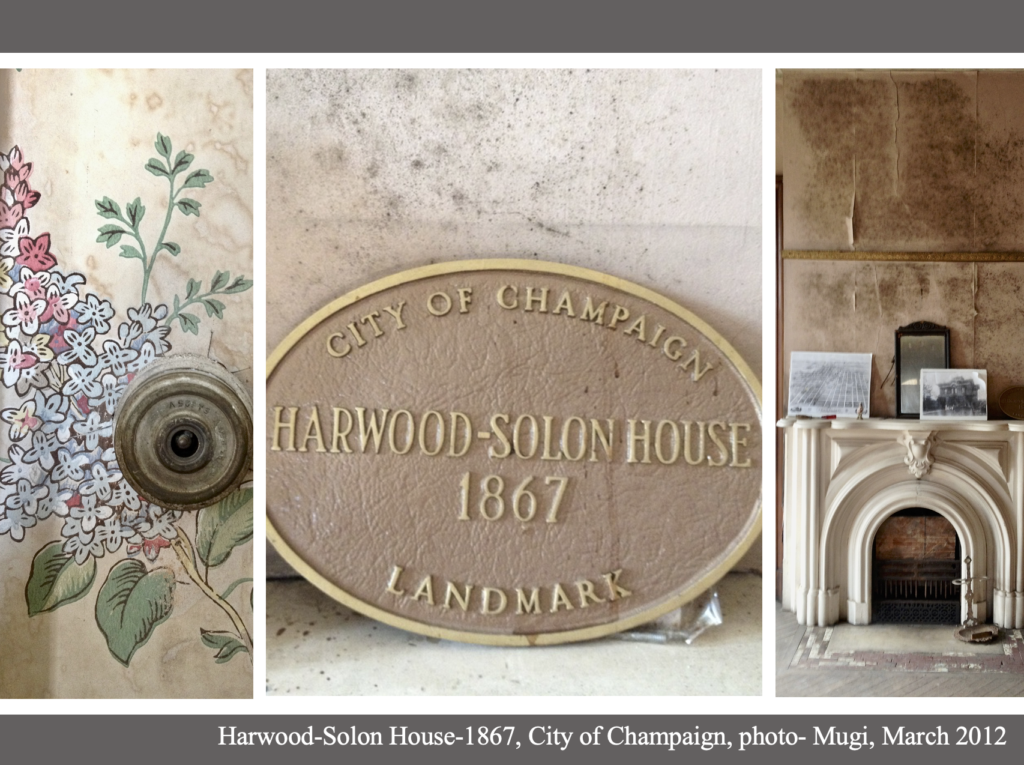
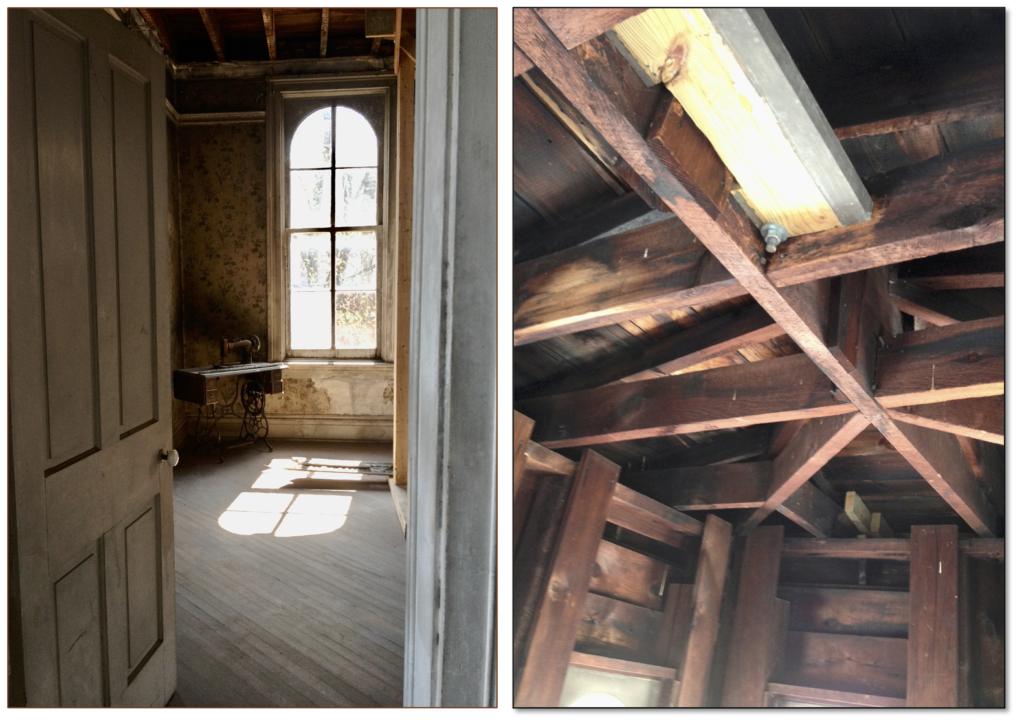
Harwood-Solon House-1, Mach 2012, photo-Mugi
PACAのミッション、Champaign Countyの歴史建造物保存・保全
PACAは今からちょうど45年前、1981年3月6日にCity of Champaignに設立された非営利団体です*。Preservation and Conservation Associationという名称が示すように、建造物の「保存」と「保全」の活動をしています。地域にある歴史的建造物の重要性を訴え、建造物をとおした地域の歴史や人々の記憶を掘り起こし、その保護を行政などにも訴えていきます。(Preservation「保存」とConservation「 保全」については、HS No. 567-2へ)
*Stephen N. Kemp “PACA: More than a warehouse.” Smile Politely, June 8, 2015
Harwood-Solon House-2, Mach 2012, photo-Mugi
SalvageとWarehouse
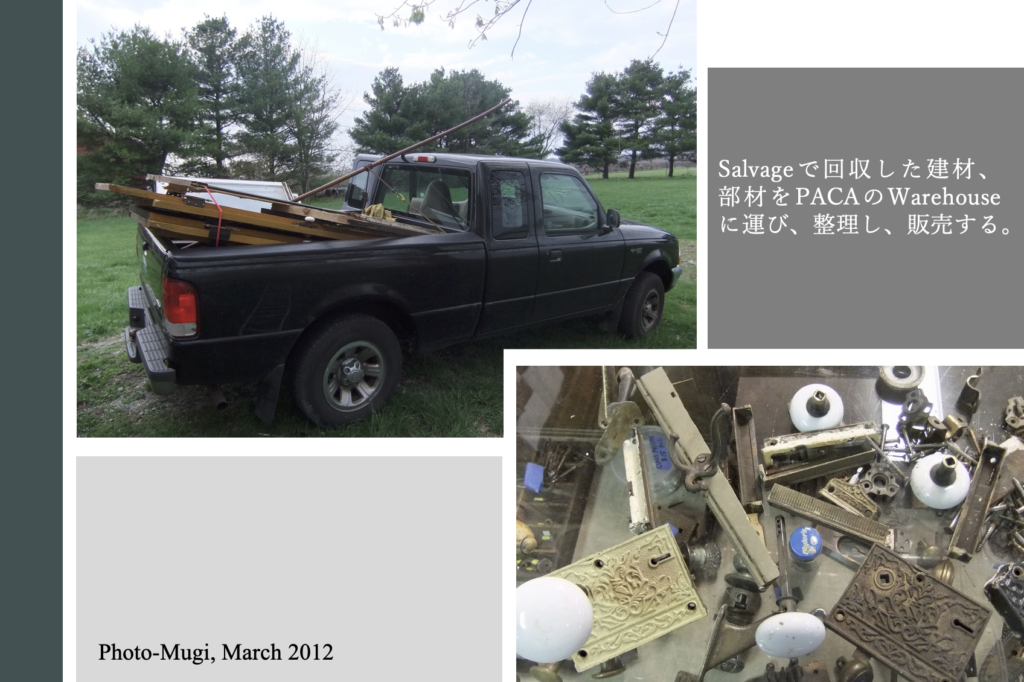
古い建物が保存されず壊される場合は、PACAは許可を得て建造物の建材・部材を回収します(Salvage)。ドアや窓枠や柱や金具、テーブルや棚などの家具など、再利用できるものをトラックに詰めてPACAのWarehouseに持ち帰ります。かつてはPACAのメンバーのガレージを倉庫として使っていましたが、1997年に44 East Washingto Street, ChampaignにPACA Warehouseを開設しました(営業:火〜金曜日は12:00-16:00、土曜日10:00-16:00)。ここで回収した建材・部材を整理、販売し、PACAの運営資金にしています。
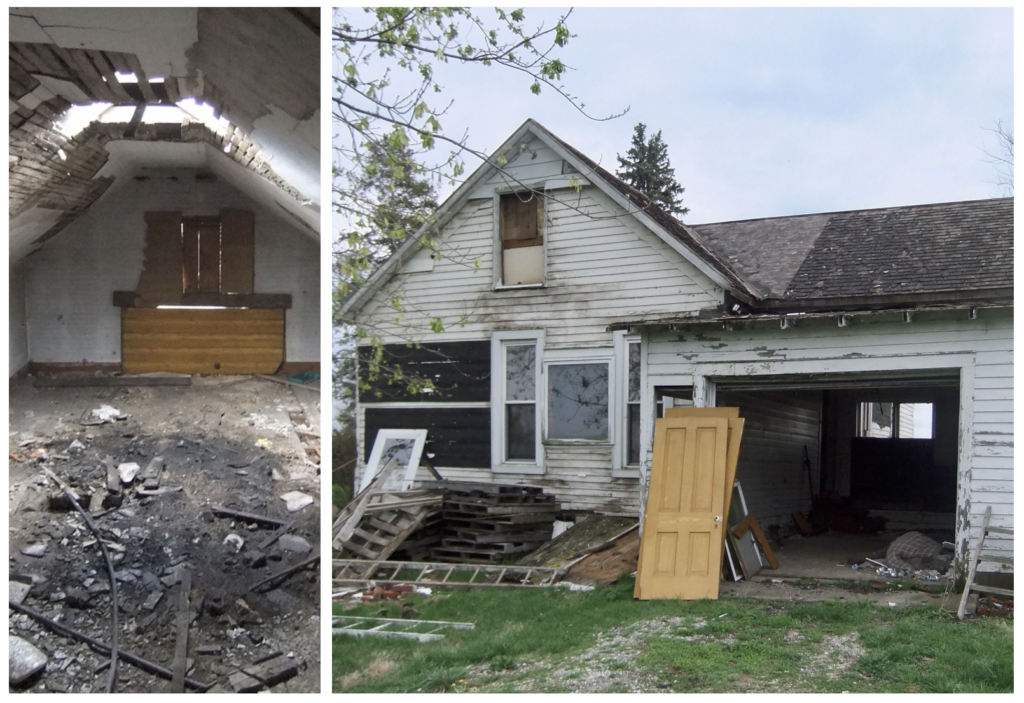
PACA Salvage, Champaign, Mach 2012, photo-Mugi
建材や部材、家具の再利用のサイクル
PACA Warehouseでは、Salvageの回収品だけでなく、地域の人々も不要になった部材や家具などをPACAに寄付しています。建材・部材の回収・再利用を通して、埋め立てられる廃材を少しでも減らし、家や家具の修理のDIYなスキルや地域の歴史や情報を共有するきっかけにもなります。Tomさんが指摘しているように、アメリカでは古着などのリユース文化は浸透していますが、解体した家の部材の再利用は未だ一般的ではありません。
ものから学ぶ、語らない建物の豊な情報
Tomさんの話やRyutaさんの解説にもあったように、古い建物には現在は使われていないような希少な建材もあります。例えば、時間をかけて自然に育った古木(オールドグロウス:Old-growth)は高品質ですが、現在は自然保護のため伐採が制約され、より安価な養殖林が利用されるようになりました。ドアノブや窓枠やステンドグラスのデザインや材質からも、それぞれの時代について学ぶことができます。
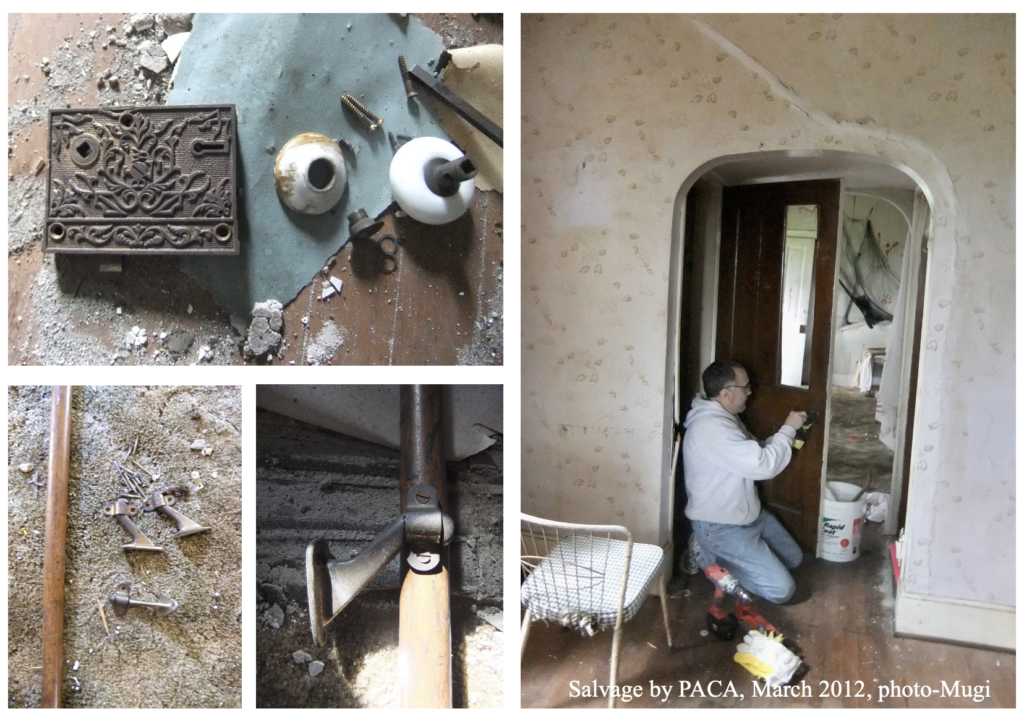
PACA Salvage-2, March 2012
建造物が伝える時代と社会、人々のストーリーの集まり
建造物はその細部に至るまで、地域や時代の経済状況や文化的、社会的背景を示す様々なエビデンスが詰まっています。Tomさんは、日本の社寺などの古い建物を例に挙げ、釘を使わないのは金属が貴重であったという事情もあっただろうし、また当時の大工の卓越した技能(craftmanship)の証でもあるのでは、と話しています。PACAにとっての「歴史」とは、歴史教科書に載るような出来事や建築史に刻まれるものとは限らず、地元の人々にとっての目印となる象徴的な場所や建物であったり、住まいや地域に対するパーソナルな思い出を含めた、場所とものと人から生まれるストーリーの集まりです。
近年のChampaignの無秩序な開発のパッチワーク
建造物が寡黙な地域の歴史の証であるとしたら、PACAの活動にとっては、U-Cの開発をどのように見えるのでしょうか。というのも、Mugikoは昨年、コロナ後初めてU-Cを訪問し、UIUCのキャンパス周辺に高層ビルが増えていることに驚きました。Mugikoの質問に対してTomさんは、Champaignの地域開発は意図的な都市計画がないまま、車社会を前提として無秩序に(腫瘍のように)拡大していると語っています。
WWⅡ後のアメリカの経済発展と都市開発と歴史建造物の保存への意識
こうした開発は近年に始まったわけではありません。第2次世界大戦後のアメリカでは、急速な工業化が進み、高速道路が建設され住宅開発が行われました。そこで古い街並みが破壊されていく反動として、また建国200周年の記念行事が相まって、1970年代から80年代にかけて歴史的なものを残そうとする機運が全国で高まります。そうした流れの中でChampaignのPACAも設立されました。
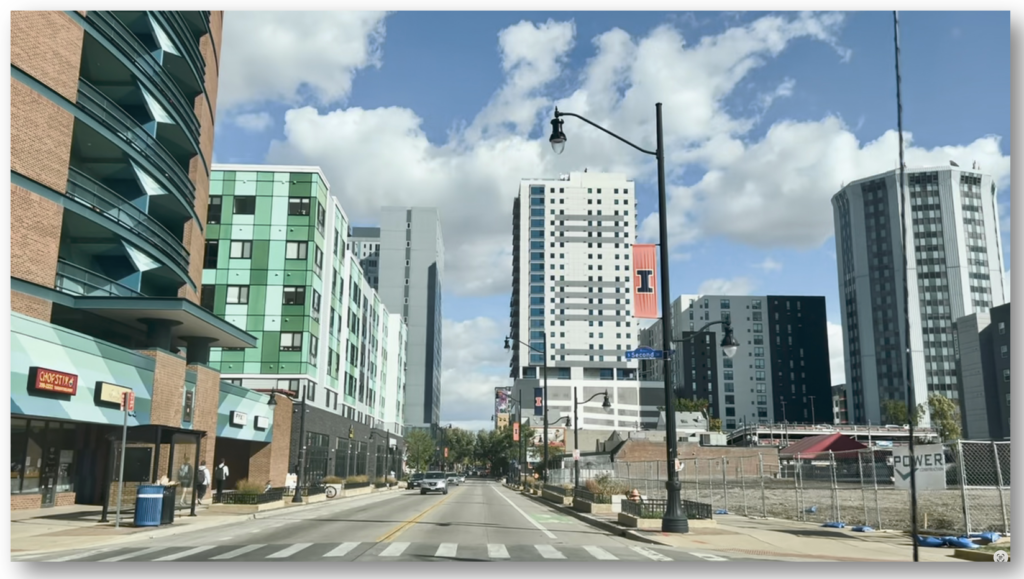
Green St. Oct. 2025, Mugi
時代とともに変わる歴史建造物の保存・保全への意識
ところが1990年代以降、人々の間でもより効率と実利を求める動きが加速し、歴史建造部の保存・保全の価値を認めつつも、それを推進することが難しくなっています。最近ではChampaignにおいても、高校の運動場を広げ駐車場を建設する工事のために、住民たちは周囲の古い建物を取り壊す選択をしました。実用性が優先される時代となり、PACAの活動はより厳しい状況にあるとTomさんは感じています。
日本には「PACAなるもの」が存在するだろうか
今週のトークでは、PACAの活動の概要からアメリカの工業化、経済発展とChampaingの地域の開発との関連も垣間見ることができました。来週のトークでは、日本のように長い歴史を持ち、しかし急速に都市化、工業化が進んだ場所から見た建造物の保存・保全に対する意識についても考えていきます。日本には「PACAなるもの」が存在するだろうか。そんな問いを考えていきたいと思います。-Mugi
◼️Crosby, Stills, Nash, & Young「 Our House」◼️Iris DeMent 「Our Town」