Champaignの極端なお天気
それぞれの地域で、どんな季節を迎えていますか。U-Cは先週から極端なお天気が続いています。3月15日(日)は竜巻注意報、その後、雷や風が強かったり、最高気温が氷点下の日もあれば、25℃を超えの日も。1週間でこれだけ極端に気候が変わると「適応できない…」と、Champaign在住のTomさんがぐったりしていました。日本のHiroshimaのKanaさんからは穏やかな春の日の瀬戸内海の写真が届きました。ありがとう!
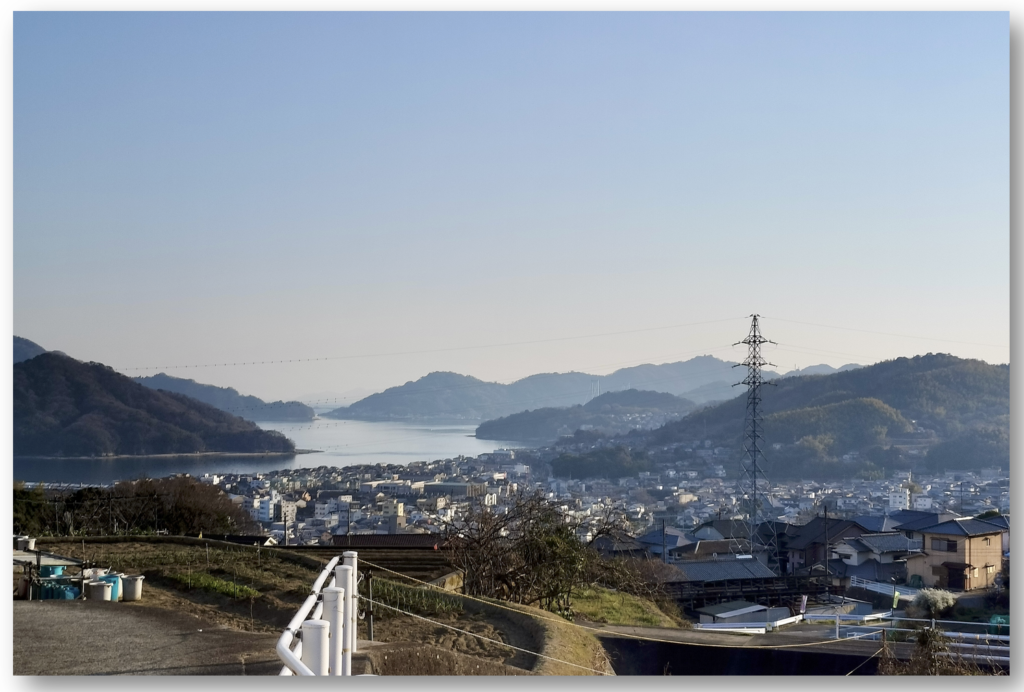
春の日の瀬戸内海, Hiroshima, March 2026, Kana
収録は、日本時間の3月18日(水)午後、Mugikoは京都から参加しています。Part1は、U-Cのイベント情報、Part2-4は、TomさんとのPACAトーク(3)を英語でお届けします。その内容を、Part5では日本語でまとめています。
Part1,Urbana Free Libraryの「地下鉄道」展示とバスツアー(要予約)
Illinois Underground Railroad Bus Tour, Urbana Free Library
3月26日(木)10:00am – 12:30pm, The Urbana Free Library. Register for a guided tour of this traveling exhibit!
Start at the Library for a guided tour of the travelling exhibit, Journey to Freedom: Illinois’ Underground Railroad. After the exhibit, hop on a coach bus to visit a few of the stops on the Champaign County African American Heritage Trail related to local Underground Railroad history, led by a heritage trail committee member. Due to limited seat availability, registration is required.
Journey to Freedom: Illinois’ Underground Railroad is proudly presented by The Abraham Lincoln National Heritage Area, also known as Looking for Lincoln.
TomさんとのPACAトークの復習
第1回(No. 780-2)ではPACAの活動の概要やアメリカの第2次世界大戦後の開発と歴史保存運動の成り立ちについて、第2回(No. 781-2)では歴史への関心(郷愁)の世代による違いや、建物が継続的に使われる「有用性の寿命(Lifespan of usefulness)」について話題にしてきました。
Champaignは木枠窓、Kyotoはアルミサッシ窓?
この第3回(Part2-4)は、Mugikoの素朴な疑問から始まります。「歴史ある京都の街でも普通の家の窓は工業化されたアルミサッシが多いのに、シャンペーンの古い家では木の窓枠が使い続けられている。なぜ?」。 素朴な問から、日米の窓ガラスの歴史や建築部材の工業化の歩みの違いなどへと話題が及びます。まずは英語でのTomさんとRyutaさんとMugikoの3人トークをお楽しみください。
Part2,Window Frames, Architectural History, and DIY Culture
Industrialized Aluminum Frames and Lost Traditions in Japan
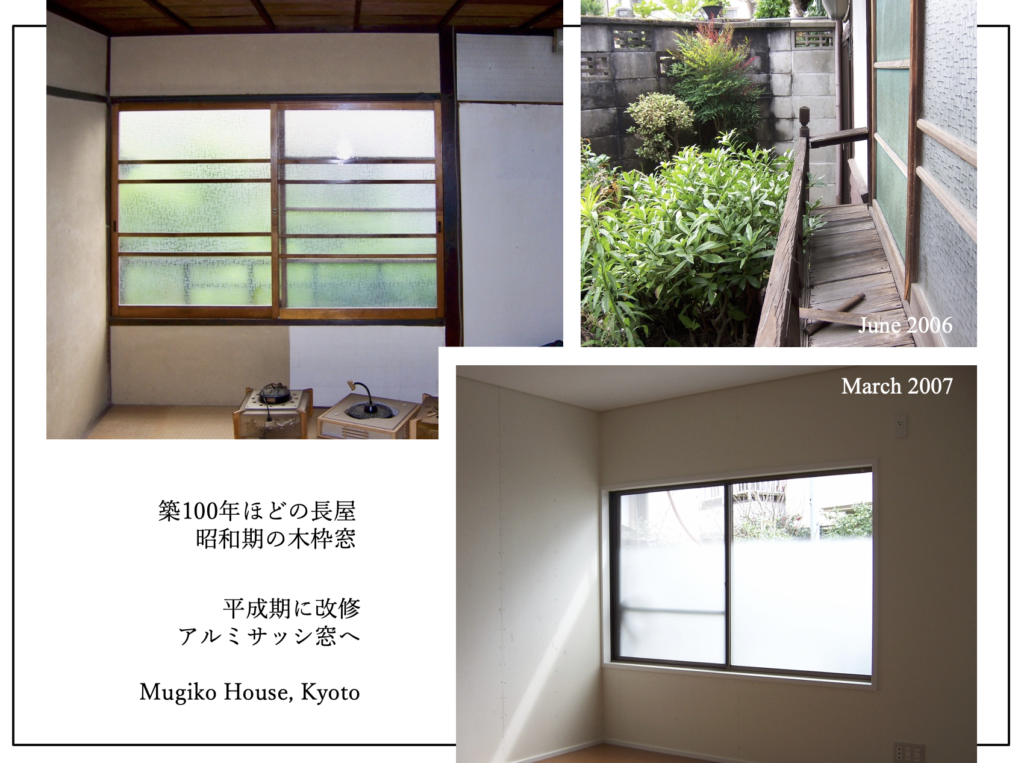 In older homes in Champaign, traditional wooden window frames are still commonly used, but in Japan, industrialized aluminum frames have become the standard. Even in historic cities like Kyoto, many older wooden frames were replaced with aluminum ones during renovations between the 1960s and 1980s. Because of this shift, the everyday carpentry skills needed to maintain wooden windows and doors have largely been lost in Japan, surviving only in special structures like temples or castles.
Plate Glass and the American Window Tradition
The differences in window frames are deeply tied to each country’s history. Kyoto existed long before glass windows were invented, so the tradition of making wooden frames for glass never fully took root there. In older countries like England, early windows were made by piecing together small fragments of handmade glass, which is how stained glass originated. In contrast, the United States is a relatively young country. The time when the U.S. was rapidly expanding and building new towns perfectly coincided with the development of large sheets of “plate glass” in the mid-to-late 1800s. Since plate glass was the newest technology, it immediately became the standard for American buildings, solidifying the tradition of wooden window frames. Meanwhile, Japan “leapfrogged” directly from traditional methods to highly standardized industrial windows, leaving no room to incorporate unique historical architectural pieces into modern homes.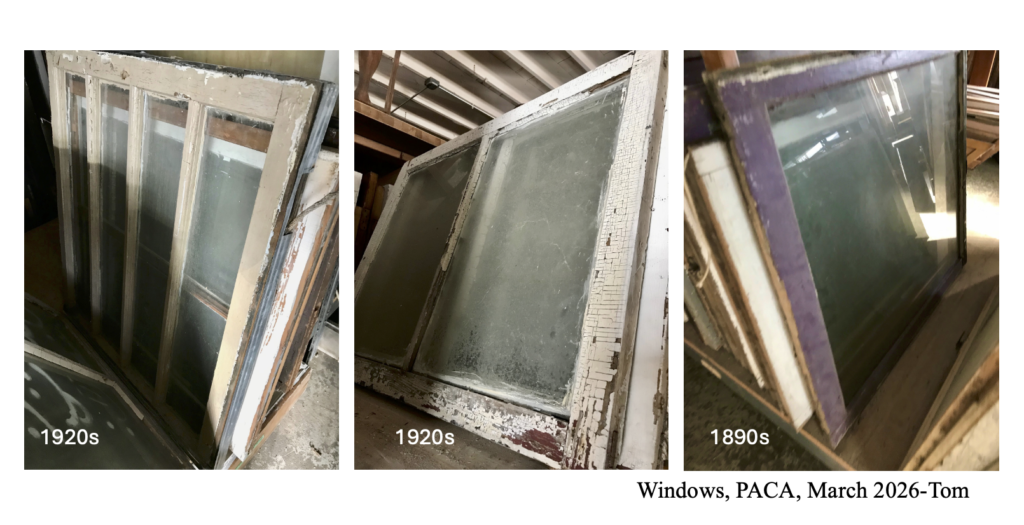
The Pioneer Spirit and American Self-Identity
The strong DIY culture in the U.S. is rooted in the “pioneer spirit”. Early European settlers arrived in areas without existing cities or professional craftsmen, forcing them to build houses, grow food, and create communities entirely from scratch. This tradition of self-reliance has survived to this day. The belief that a capable adult should know how to fix their own house or car remains a proud and essential part of the American self-identity.
Part3,The Pandemic Transformation and the Evolution of PACA
From Organic Chaos to Conscious Reorganization
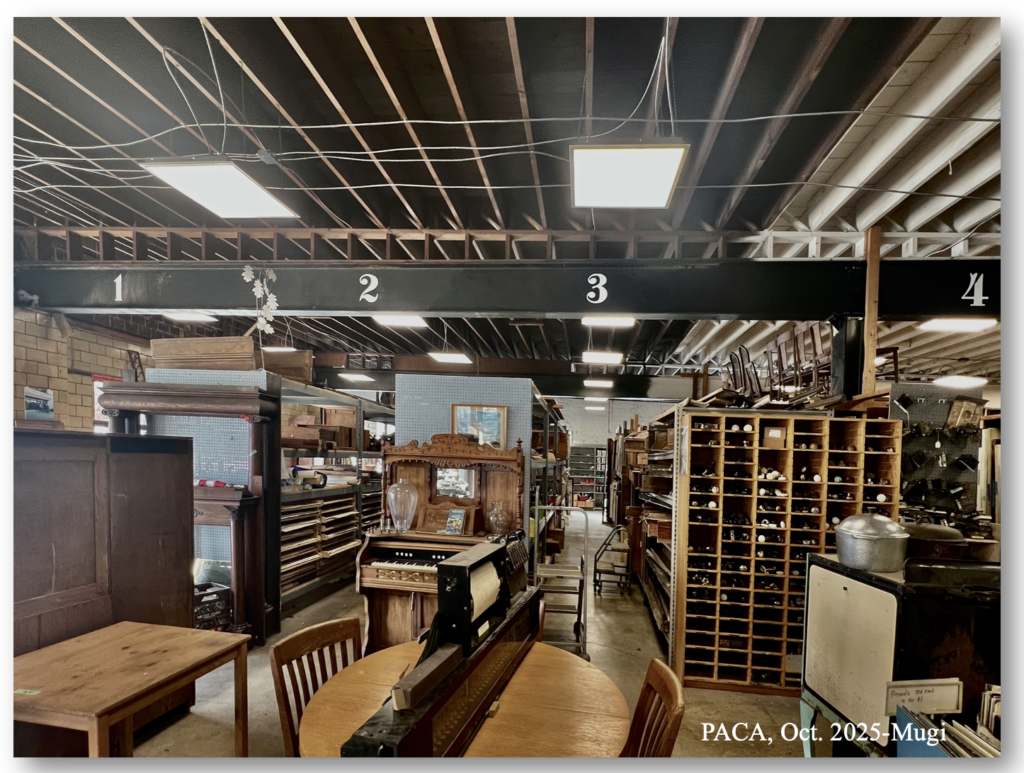
The PACA salvage warehouse did not start with a formal business plan. It began by accident when volunteers saw houses being torn down and started saving old parts in their own garages because they couldn’t bear to see them destroyed. As they collected more materials over the years, the operation grew exponentially and moved into larger spaces. However, because the inventory expanded “organically,” the warehouse layout became a confusing maze of small shelves packed with items, making it difficult to navigate.
A Dramatic Makeover During the COVID-19 Shutdown
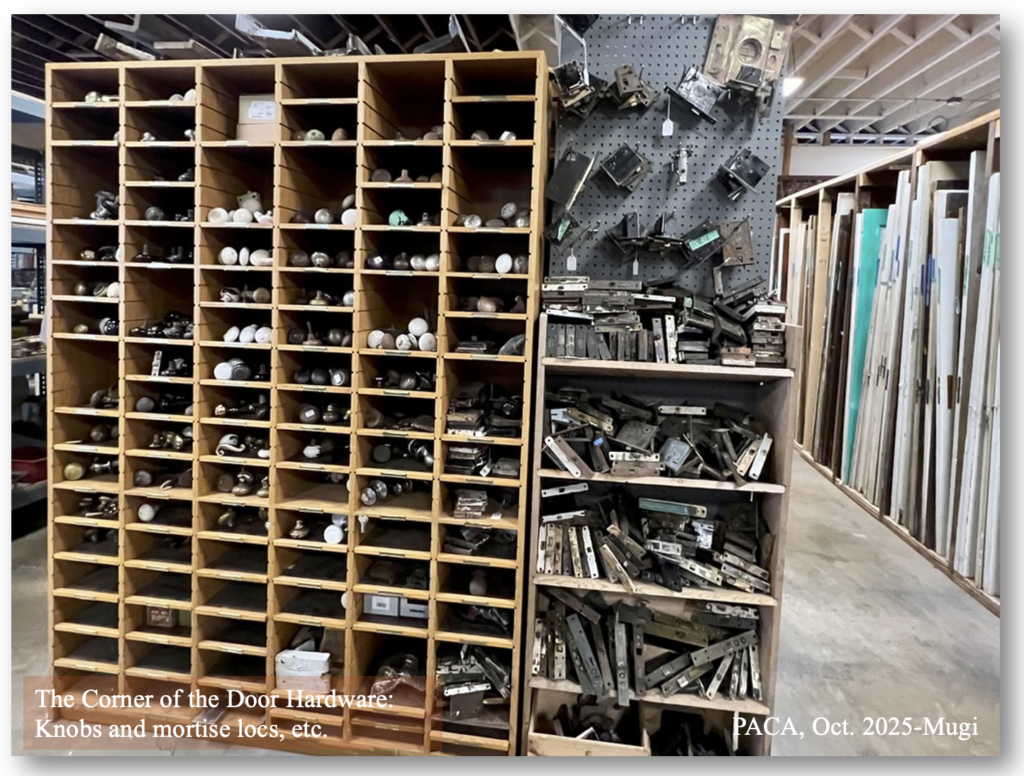
Tom had long wanted to reorganize the warehouse, but closing the store would mean losing crucial revenue. Ironically, the mandatory COVID-19 shutdown provided the perfect opportunity. Instead of staying home, Tom and a dedicated volunteer went to the closed warehouse every day to consciously reorganize the entire space. They reoriented all the aisles to align with the windows, allowing natural light to flow down the paths. They also grouped items logically; for example, if you go to the door section, you will easily find all the related hardware—such as door knobs, plates, and hinges—right next to them.
A Welcoming Hub for DIYers, Artists, and Vintage Lovers
The massive reorganization of the warehouse provides standard parts for DIYers looking to repair their homes, but it also attracts “crafty people” who use random architectural pieces to create decorative items like bookshelves and coat racks. Furthermore, younger generations love visiting the warehouse to find accessible “vintage” pieces that they can use creatively, rather than expensive and formal antiques. Today, the PACA warehouse functions like a friendly local “corner shop,” where people can easily drop in, find inspiration, and chat with Tom.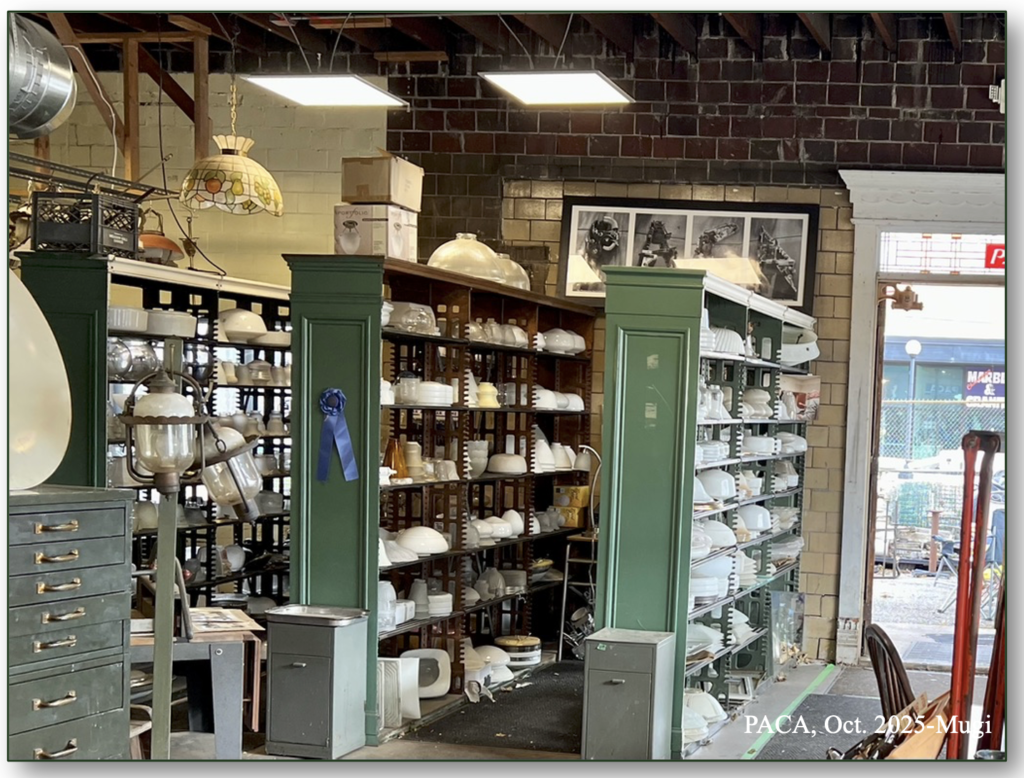
Part4,Salvage Work, History, and Personal Memory
The Reality of Historical “Finds”
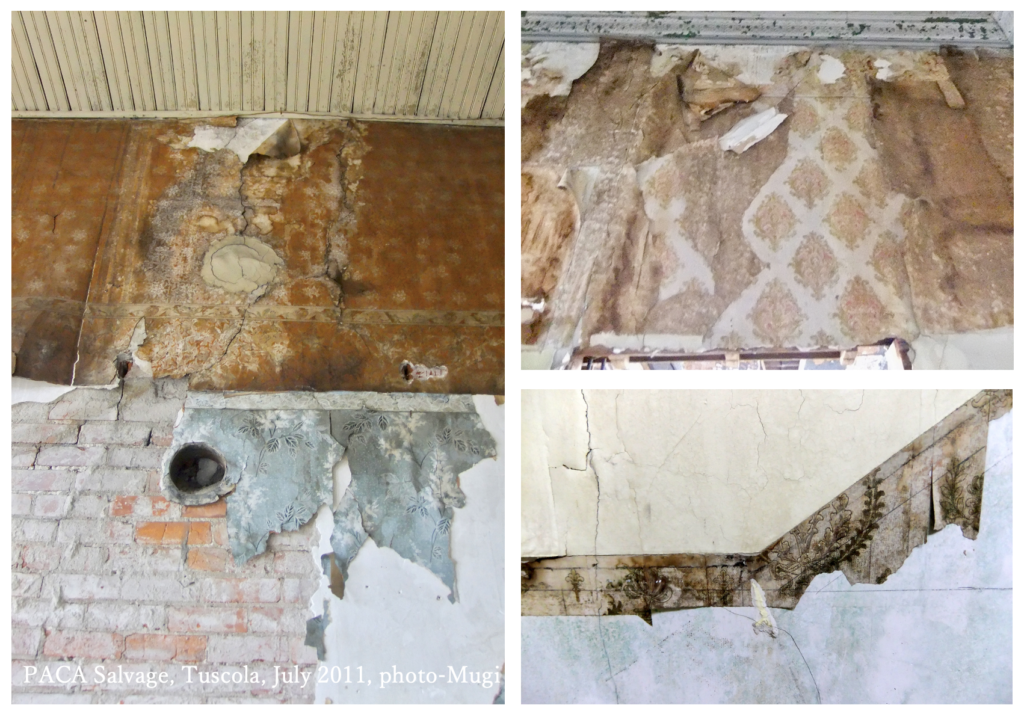
When thinking about architectural salvage, it is easy to imagine uncovering secret rooms or significant historical treasures, like a recently discovered Underground Railroad space in Manhattan. However, Tom explains that such discoveries are incredibly rare in a university town like Champaign. Most of the buildings they salvage are century-old houses that have been used as multi-tenant apartments for decades, meaning the original owners’ personal touches are long gone. While one might hope to find serendipitous items like a famous author’s lost manuscript, the reality is that deeply personal items like diaries are almost never left behind, and old photographs are usually ruined by water damage and mold by the time a house is torn down.
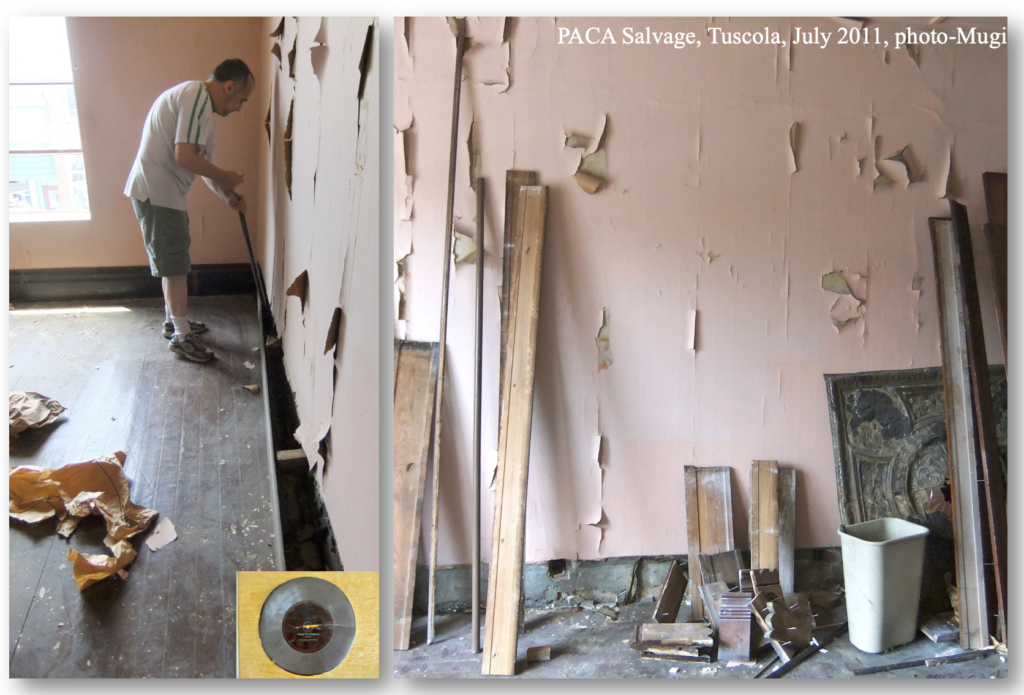
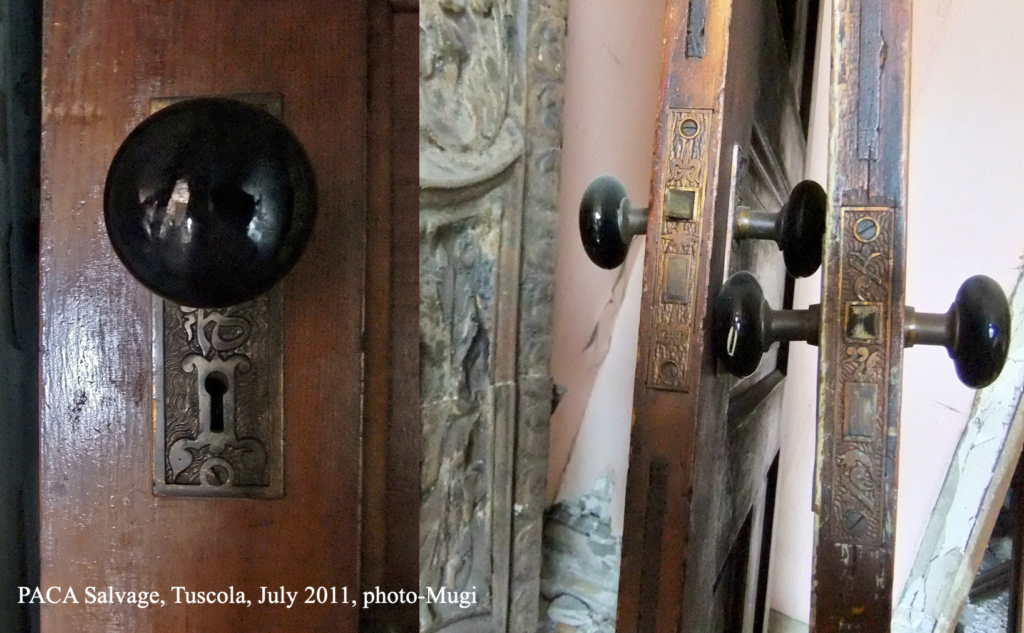
PACA Salvage, Tuscola, July 2011、壁と床の隙間にレコードが挟まっていました。
The Value of Firsthand Experience and Personal Memory
Even without dramatic historical discoveries, the act of preserving architectural pieces is an essential way to protect a community’s local memories and history. Ryuta points out that volunteering at a salvage site offers one of the best ways to gain firsthand experience in this preservation process.
Where Memory, History, and Story Intersect
This hands-on experience has the power to transform abstract historical facts into deeply meaningful “personal memory”. Mugiko reflects that by personally participating in a salvage operation and touching the old building materials, the history of Champaign became a familiar and tangible reality for her. Ultimately, PACA is a vital place for the local community because it allows memory, history, and personal stories to combine in unique ways, creating a living connection to the past.
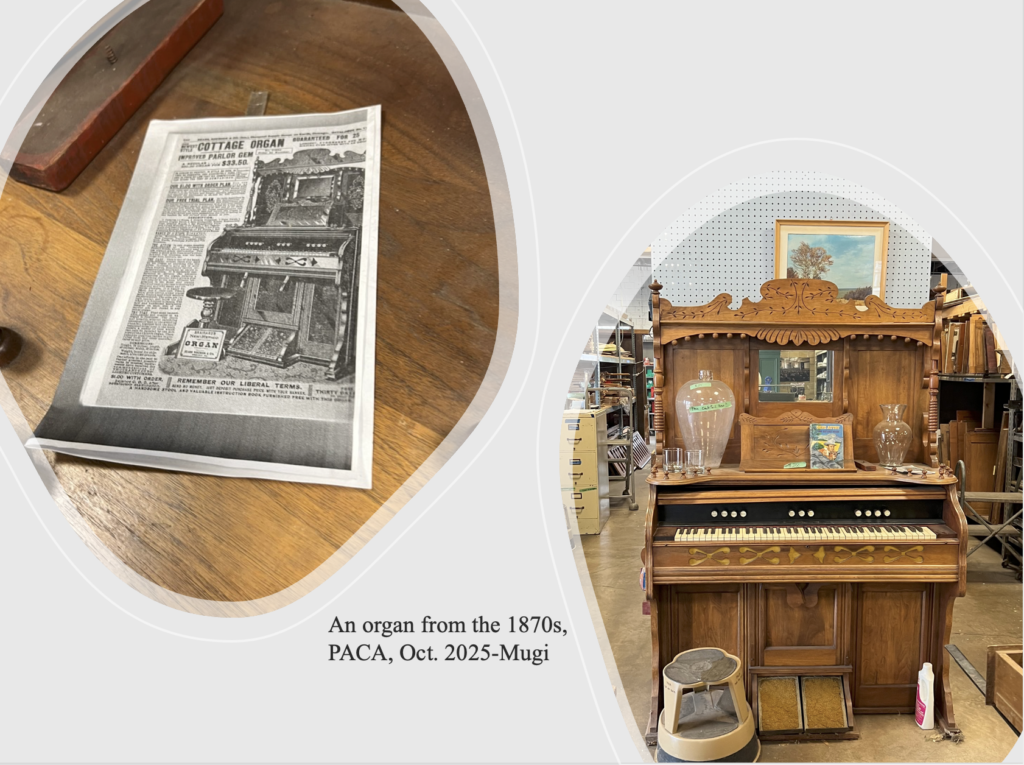
Part5, Tomさんとの英語トークの日本語まとめ-Mugi
▼窓枠の違いから学ぶ歴史的背景、アメメリカのDIY文化(Part2)
アルミサッシ化された日本と、木の窓枠が残る米英
Tomさんがもし、Kyotoを訪問したとしたら驚くかもしれません。Champaignや英国のLondonでも古い建造物には、今でも木製の窓枠(Wooden frames)が使われているのに、古都Kyotoでは一般的な家では工業化されたアルミサッシ(Aluminium frames)の窓が多い。Ryutaさんは、日本では木造家屋でも、1960年代以降の改修で木枠が急速にアルミサッシに置き換えられ、今では木製の窓や扉をメンテナンスする大工技術が失われつつあると述べています。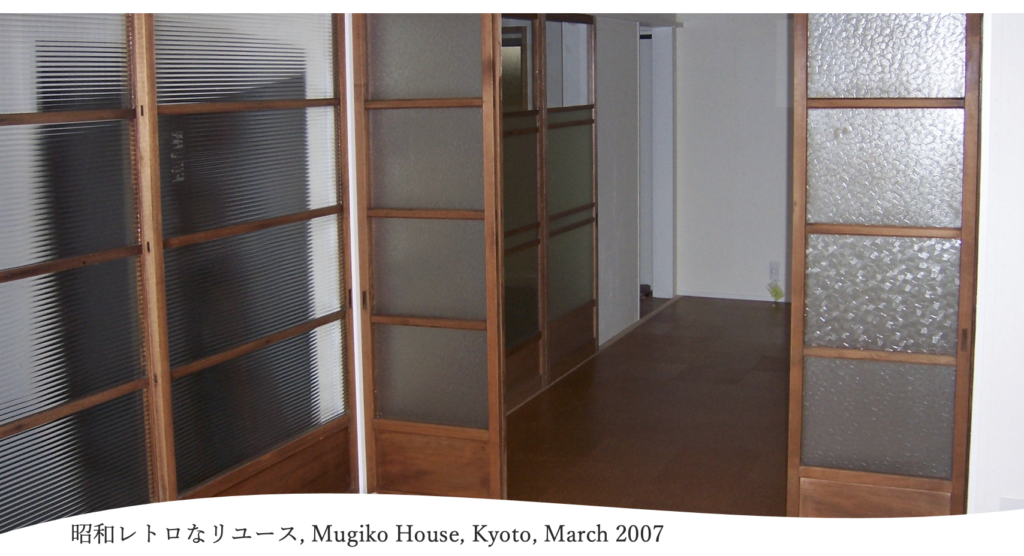
板ガラスの普及のタイミング
このような違いをTomさんは、各国の歴史的背景から説明します。イギリスの場合は古い歴史を持つために、昔は小さな手作りのガラスをつなぎ合わせて窓を作っていました(ステンドガラスの起源)。アメリカの場合は建国からの歴史が浅く、入植者たちによる建築ラッシュの時期と、大きな「板ガラス(Plate glass)」が製造可能になった時期(1800年代中頃〜後半)と重なりました。そのため、板ガラスと木製窓枠の組み合わせが標準として定着したのです。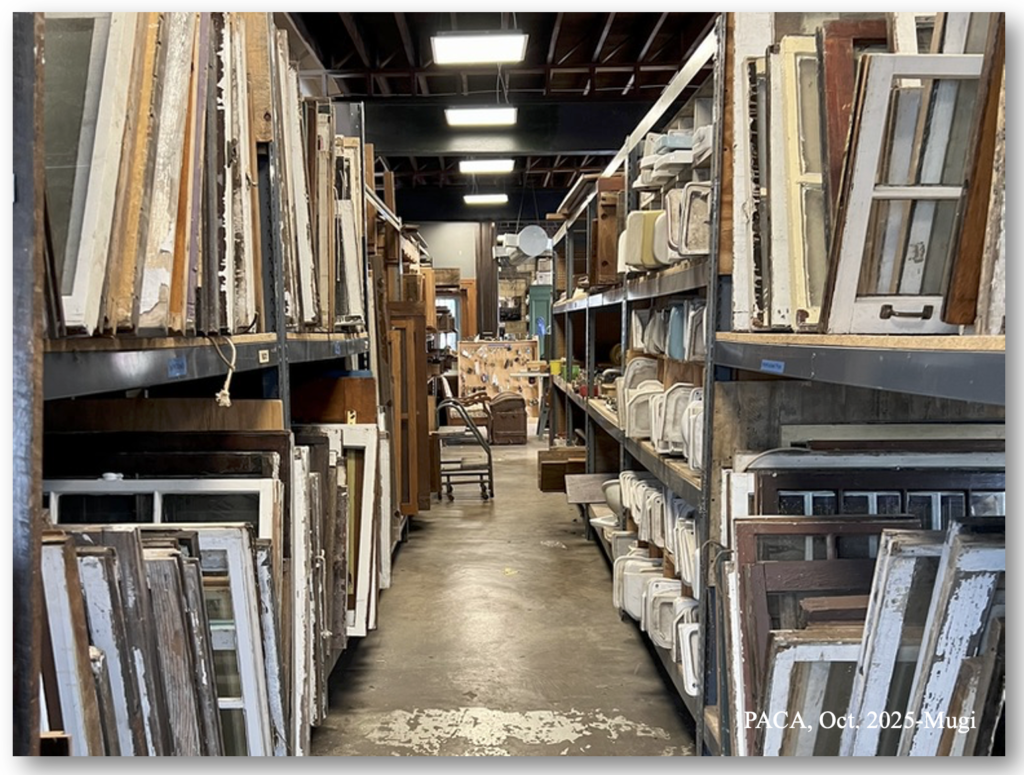
日本の家の工業化、規格化への飛躍
Tomさん曰く、「Kyotoの場合は、ガラス窓が普及するよりもはるか以前から街が存在しているので、そもそもガラス用の木の窓枠を作る伝統が根付かなかったのでしょう」。そこでRyutaさんが次にように説明しています。「日本が古い伝統的な窓から高度に規格化(standardized)された工業製品の窓へと一気に飛躍(leapfrog)しました。現在の日本の住宅はサイズが細かく決まっているために、PACAが扱うような古い一点物の窓や部材を建物に組み込むことが難しく、家のDIYが広がりにくい一因になっています。」
アメリカの「開拓精神」とDIY文化
一方、Tomさんはアメリカの強力なDIY文化の根底には開拓者精神(Pioneer spirit)があると語ります。「初期の入植者たちは職人のいない土地でゼロから家を建てなければなりませんでした。その伝統は今も引き継がれており、自分の家や車は自分で修繕ができることがアメリカの一人前の(男性の)成人としての誇りであり自己認識(self-identity)になってきました。」
▼コロナ下のPACA倉庫の大改造(Part3)
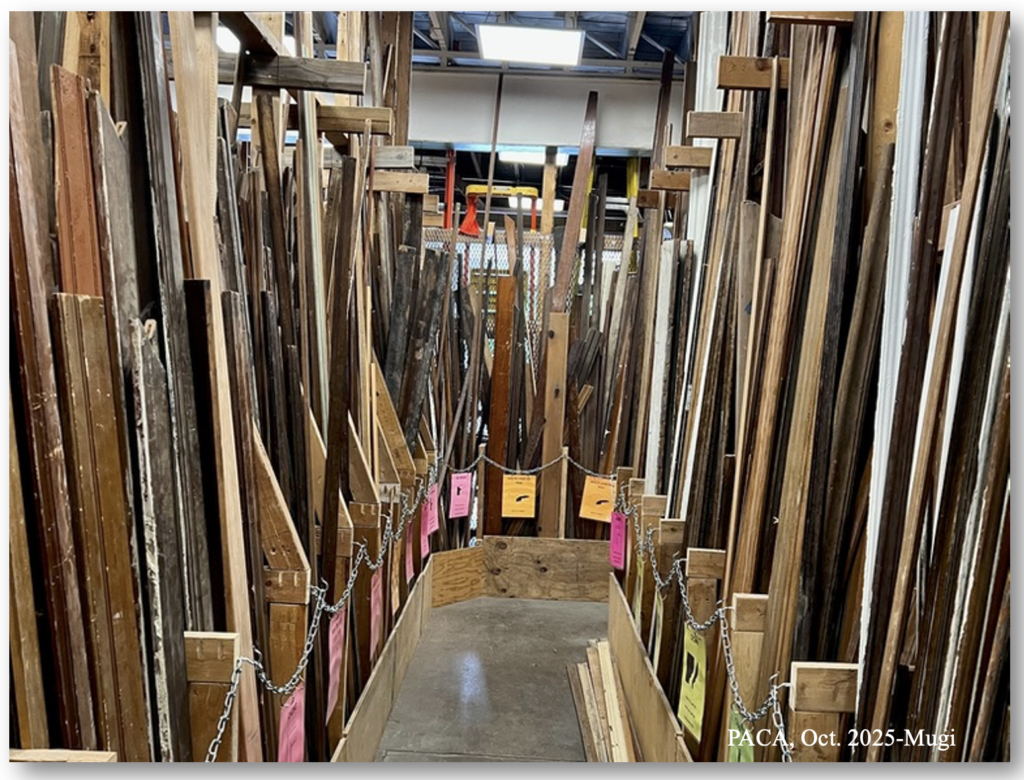 Mugikoは昨年10月にほぼ6年ぶりにPACAを訪問しました。以前より圧倒的に見やすく整理されていました。コロナ下で何が起きたのでしょうか。
PACA Salvage Warehouseの想定外の発展
Tomさんによれば、PACAの倉庫は最初から計画的な作られたわけではありません。古い家が取り壊されるのを見たボランティアたちが「もったいない」と建築部材を救出(Salvage)し、個人のガレージに保管していたのが始まりでした。しかし、活動が拡大しガレージには収まりきらなくなり、現在のPACA Warehaouseを開設しました。以前は週に2回開いていましたが、TomさんがExecutive Directorとして勤務するようになった15年ほど前から週5日(火〜土)開いています。しかし、無秩序に物が増えていきました。
コロナ禍を逆手にPACA倉庫内部を大改造
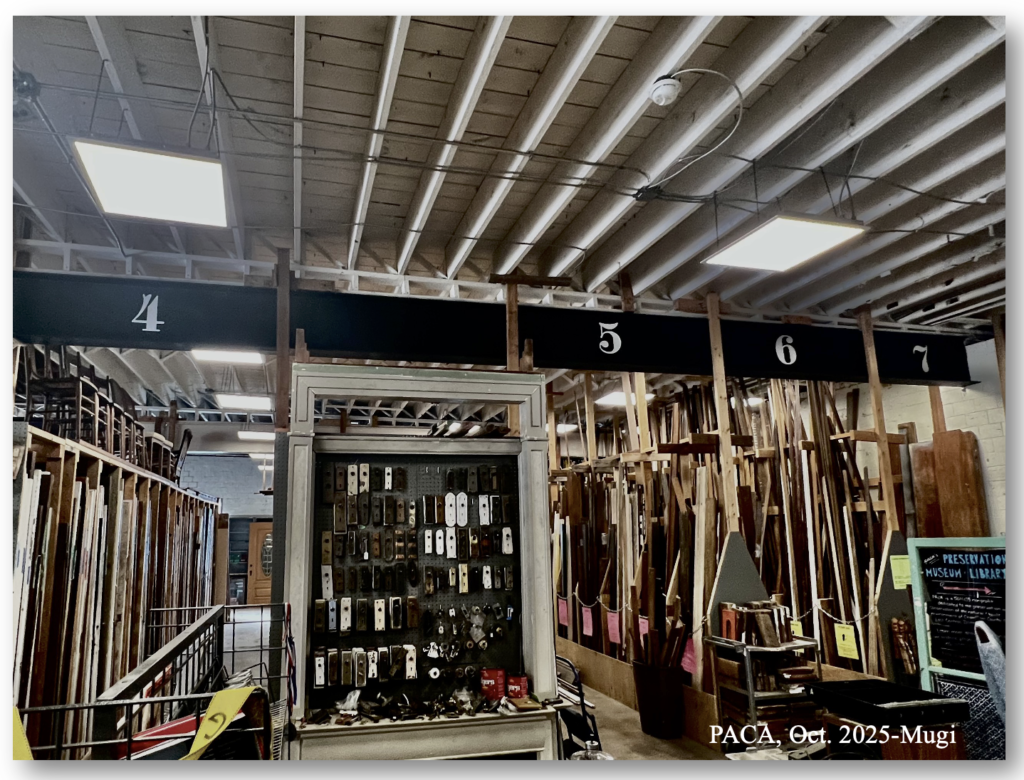 Tomさんは倉庫を整理したいと長年考えていましたが、休業による収入減を懸念して実行できずにいました。しかし、パンデミックによるロックダウンによる休業がある意味、絶好の機会となりました。Tomさんとボランティアは毎日閉鎖中の倉庫に通い、内部を根本から改造(Reorganize)しました。自然光が通路の奥まで入るように棚の向きを揃え、ドアのコーナーにでは関連する金具(ヒンジやドアノブなど)も見つかるように、論理的に分類しました。
DIY好き、手芸愛好家、ビンテージ好き若者にも魅力的なコーナーショップ
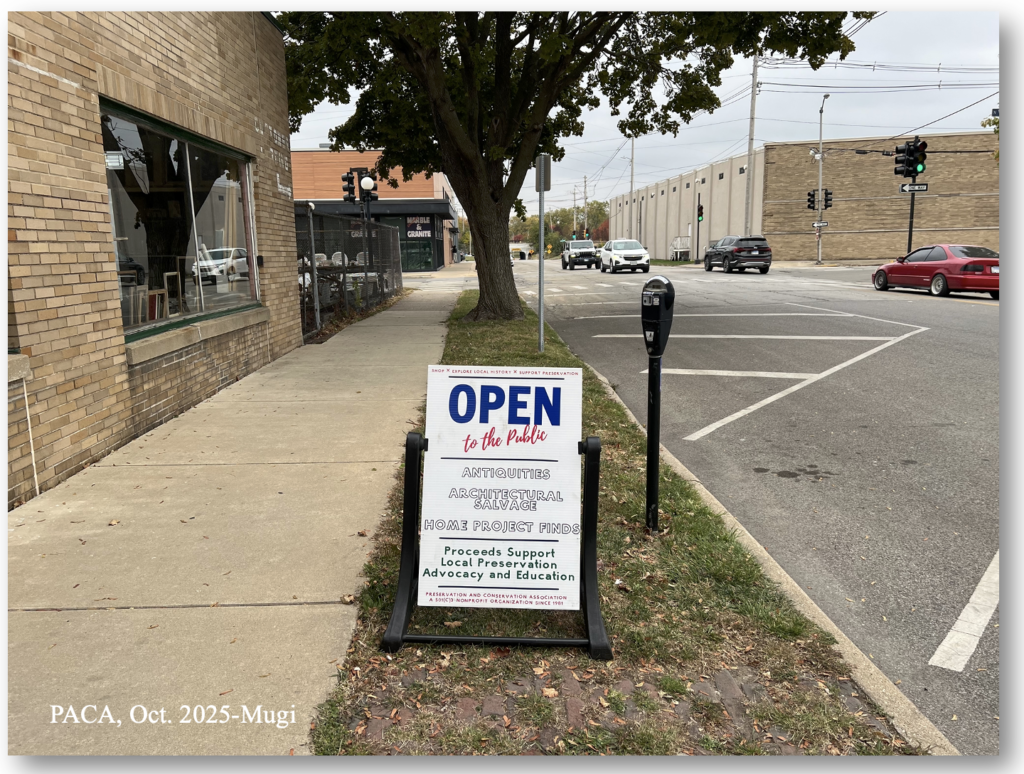
これによってPACAのWarehouseは随分と見やすく使い勝手がよくなりました。家の修理部品を探すDIY愛好家だけでなく、古い部材でアート作品を作る手芸好き(Crafty people)も訪れます。若い世代にとっても、敷居の高いアンティークよりも、手軽でクリエイティブに使えるヴィンテージとしても魅力的です。初めての人でも入りやすく、馴染み客がふらっと立ち寄りTomさんと話したり、わからないことがあれば気楽に尋ねることができる街角のお店(Corner shop)になっています。
PACAの地道な活動、個人の記憶と場所と歴史が交錯する場所(英語Part4)
Ryutaさんは、最近ニュースになったManhattanの地下鉄道の隠し部屋*や、Tokyoの大学街で下宿先の大家宅から大江健三郎の未発表原稿が発見された例**を挙げ、PACAのサルベージ活動でも思いがけない歴史的な大発見があったりしますかと尋ねます。 Tomさんは率直にこう話しています「残念ながらそういったものはありません。Champaignは大学街で人の出入りが激しく、PACAが扱う建物の多くは築100年程度のフラットであり、元の所有者の個人的な痕跡はとうに失われています。手紙や日記は残っておらず、古い写真が見つかっても水濡れやカビで修復不可能な状態になっているのが現実です。」
*浅田奈穂「たんすの下は地下通路に繋がっていた?「謎の空間」と「秘密結社」とのつながりが明らかに(アメリカ)」HUFFPOST, 2026年2月23日11時6分JST **東京大学人文社会系研究科・文学部「大江健三郎氏未発表小説、発見」2026年3月3日
Salvageーローカルな歴史を肌で体験する
Ryutaさんは、「歴史的な発見がなくても、古い建物の部材を救出すること自体が地域の記憶や建築史を保存する重要な活動であり、ボランティアとして現場に参加することは、歴史を直接肌で体験する(Firsthand experience)の方法」だと語ります。
ローカルな歴史の実感ー場所の足跡とパーソナルな記憶が絡み合う物語
MugikoもSalvageの活動に何度か参加して、解体される建物の内部の壁肌にふれ、そこから建材や部品を外し取りながら、時代の足跡(History)や「個人の記憶(Personal memory)」や「物語(Story)」が自分の中に沁みていくような気がしました。 PACAのSalvageは、廃材のリユース(再利用)を超えて、人々が地域の記憶と関わっていく大切な場所であり活動だと今回のTomさんとのトークを通して改めて思いました。-Mugiko
PACAのニューズレター(1981〜)アーカイブ、場所と時間をつなぐ
PACAは、会員や利用者など多くの個人の繋がりだけでなく、非営利団体「501(c)(3)」として公的に認定され、大学や行政をはじめとした地域の諸団体・組織と連携しています。また1981年に設立以来、年に数回Newsletterを発行しています。現在はPACAのWebsiteから閲覧できます。記録を作り共有していく営みに多くの人が関わり、物と記憶のつながりの網の目を作り、時間をつないでいます。
ローカルなパーソナルな物語をグローバルにつなぐ
Kyotoでも長屋を自分たちで改修スタジオや職場にしたり*、取り壊される建造物から建材・部材を取り出しリユースできるように取り置く活動**はあります。建材・部材のリユースや記憶の共有や育て方は、地域のよって時代によって世界の情勢によっても一様ではありません。これからもローカルなお話をグローバルに共有できたらいいなと思います。-Mugi
*No.566, Jan.28, 2022, 「Kyotoの町屋を改修」鍛金物語ーDIY編 with Ren-san**No.598-2, Sept. 9, 2022, Kyotoの街で古本屋と古材回収と地域福祉(前半) with Shinyaさん.No.599, Sept. 16, 2022, Kyotoの街で古本屋と古材回収と地域福祉(後半) with Shinyaさん
*No.75 August 31, 大雨警報のLabor Day、水羊羹レシピ、PACAって?.*No.567-2, Feb.4, 2022, PACAー歴史的建造物保存・保全と地域コミュニティの個性with Tom-san.*No.568-1, Feb.11, 2022, PACA, 環境保護運動とSalvage、アメリカのDIYカルチャーとジェンダーwith Tom-san.*No.569, Feb.18, 2022, PACAウェアハウスとMaker精神、TomさんのDIY「ライフ」.